Author: Aryan Kenia
Life Sciences Analyst
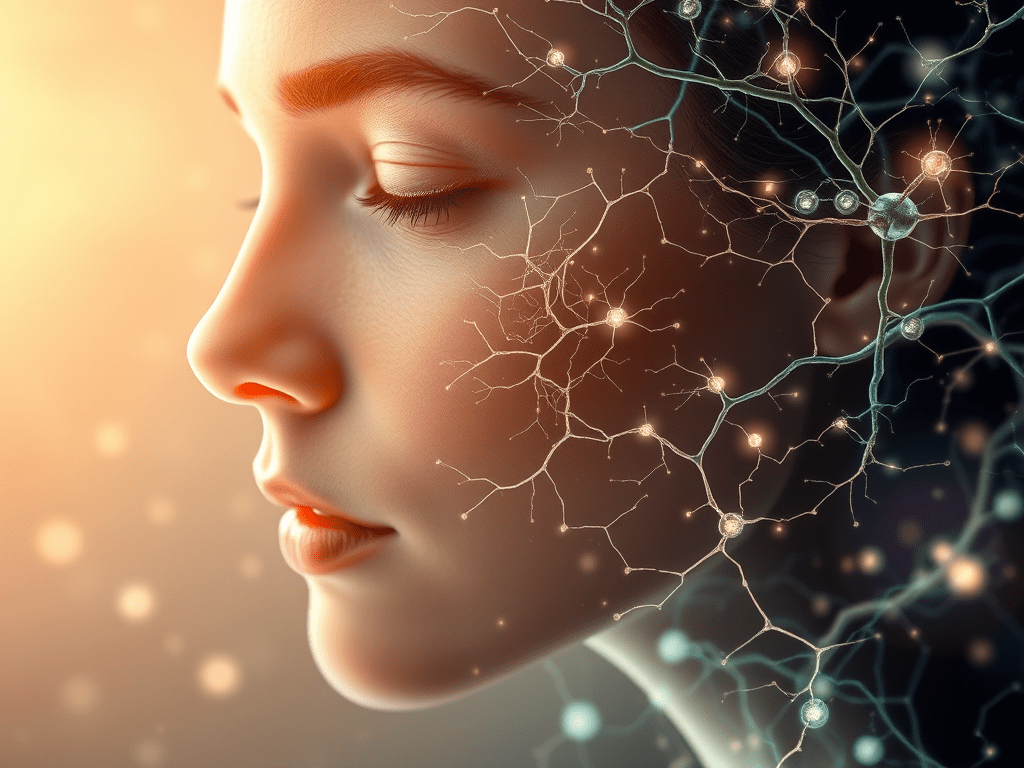
Neurocosmetics is one of the most exciting and transformative developments in modern cosmetic science. It reflects a fundamental shift in how the skin is understood and treated, moving beyond surface-level appearance toward an integrated view of skin biology, sensory perception, and emotional wellbeing. By targeting the skin’s neuro-immuno-endocrine network, neurocosmetics aim to influence not only hydration, wrinkles, and barrier function, but also stress responses, inflammation, and subjective comfort.
The scientific foundation for neurocosmetics lies in the skin-brain axis. The skin is not a passive covering but a highly innervated, neuro-responsive organ capable of producing neurotransmitters, neuropeptides, and hormones. This creates a bidirectional communication pathway between the skin and the nervous system, opening new opportunities for cosmetic formulations to deliver measurable biological effects alongside sensory and emotional benefits.
As consumer interest shifts toward holistic wellbeing, stress reduction, and emotionally intelligent skincare, neurocosmetics is rapidly moving from a niche concept into a central innovation pillar for premium skincare brands.
The skin as a neuro-sensory organ
The skin possesses its own peripheral neuroendocrine system. Keratinocytes, melanocytes, fibroblasts, and immune cells synthesise and respond to neurotransmitters such as acetylcholine, GABA, neurotrophins, and corticotropin-releasing hormone. Cutaneous nerve endings express receptors including TRPV channels, cannabinoid receptors, and GABA receptors, enabling the skin to directly sense physical, chemical, and psychological stressors.
This neurocutaneous network functions similarly to a local hypothalamic–pituitary–adrenal axis. Under stress, keratinocytes release CRH and cortisol, while sensory neurons trigger inflammatory cascades and barrier disruption via neuropeptides. Environmental factors such as UV radiation, pollution, irritants, and emotional stress can therefore directly influence skin aging, sensitivity, and inflammation.
Neurocosmetic ingredients are designed to interact with this system. By modulating neural signalling, inflammation, and stress responses at the skin level, these actives provide a scientifically plausible route to improved skin health and enhanced sensory comfort.
Key neurocosmetic ingredient categories and mechanisms
Neurocosmetic formulations rely on a systems-based approach rather than a single active. The most effective products combine multiple ingredient classes that target complementary pathways within the skin-brain axis.
Neuro-modulating and biomimetic peptides
Peptides are among the most established neurocosmetic actives.
Acetyl Hexapeptide-3 (Argireline) mimics a segment of SNAP-25 and interferes with the SNARE complex, reducing acetylcholine release at neuromuscular junctions. This leads to reduced micro-contractions of facial muscles and visible wrinkle softening. Clinical studies report wrinkle depth reductions of approximately 30 to 50 percent over several weeks of use.
Acetyl Tetrapeptide-5 targets the angiotensin pathway by inhibiting ACE-1, reducing fluid accumulation and vascular congestion. This makes it particularly effective for under-eye puffiness and dark circles, with in vitro data demonstrating reduced extracellular fluid retention.
Matrixyl (Palmitoyl Pentapeptide-4) and Syn-Coll (Palmitoyl Tripeptide-5) stimulate fibroblast activity and extracellular matrix synthesis. These peptides increase collagen I and III production, enhance hyaluronic acid synthesis, and improve skin firmness and elasticity through TGF-β signalling pathways.
Copper peptide GHK-Cu delivers bioavailable copper ions, supporting wound healing, collagen synthesis, antioxidant defence, and matrix remodelling. Clinical data show improvements in skin elasticity and wrinkle depth following topical application.
Together, these peptides support anti-aging, barrier recovery, and neurosensory comfort by acting directly on skin cells and indirectly on neurocutaneous signalling.
Barrier-supporting vitamins and neurotransmitter analogues
Niacinamide plays a central role in neurocosmetic formulations due to its ability to enhance ceramide and fatty acid synthesis in the stratum corneum. This strengthens the skin barrier, improves hydration, reduces redness, and evens pigmentation. Niacinamide also activates GPR109A receptors, contributing to its soothing and anti-inflammatory effects.
GABA, the primary inhibitory neurotransmitter, is increasingly explored for topical use. Preclinical studies demonstrate that GABA promotes fibroblast migration, inhibits UV-induced MMP-1 activity, improves hydration, and increases epidermal thickness in UV-stressed skin models. These effects suggest a dual role in hydration support and photoaging prevention.
Adaptogenic botanicals and stress-modulating extracts
Adaptogens represent a powerful bridge between skin biology and systemic stress regulation.
Ashwagandha extracts inhibit NF-κB signalling in keratinocytes, reducing the release of pro-inflammatory cytokines such as IL-1β, IL-6, and TNF-α. This translates into reduced redness and irritation under stress conditions. Systemically, ashwagandha reduces cortisol levels, indirectly supporting skin health.
Rhodiola rosea and Panax ginseng are rich in polyphenols and ginsenosides that reduce oxidative stress, enhance DNA repair, and inhibit inflammatory signalling in skin cells. These botanicals improve resistance to environmental stressors and slow stress-induced aging processes.
Cannabidiol
Cannabidiol interacts with CB1 and CB2 receptors within the skin’s endocannabinoid system. Extensive reviews document its anti-inflammatory, antioxidant, seboregulating, and anti-pruritic properties. CBD reduces cytokine release, scavenges free radicals, normalises sebum production, and calms sensory nerves. In cosmetic applications, it delivers both visible skin benefits and a perceived calming effect.
Aromatherapeutic botanicals and olfactory signalling
Aromatherapeutic ingredients provide a unique dual pathway.
Lavender oil contains linalool and linalyl acetate, which interact with GABA receptors and limbic brain centres. Inhalation studies show increased alpha brain waves and reduced anxiety, while topical application provides anti-inflammatory and soothing benefits.
Green tea polyphenols such as EGCG offer strong antioxidant and photoprotective effects. EGCG inhibits UV-induced inflammation and MMP activity, preserving collagen and supporting repair mechanisms.
Citrus oils rich in limonene and citral activate olfactory receptors associated with alertness and optimism. Citral compounds also provide mild exfoliation and brightening effects, contributing to improved tone and radiance.
Consumer-relevant benefits and claim strategy
When supported by appropriate testing, neurocosmetic formulations can credibly support the following claim categories:
- Stress reduction and emotional wellbeing
- Reduced redness, itch, and sensory discomfort
- Improved hydration and barrier recovery
- Anti-aging effects including wrinkle softening and improved firmness
- Enhanced radiance and more even skin tone
- Mood-enhancing sensory experiences
Claims should remain cosmetic in nature and be supported by instrumented measurements such as TEWL, corneometry, erythema scoring, and validated subjective scales.
The future of neurocosmetics
Neurocosmetics represents a paradigm shift in skincare innovation. By targeting the skin’s neurobiology, future products will move beyond masking imperfections to actively modulating stress, inflammation, and repair pathways. Continued advances in receptor biology, delivery systems, and clinical validation will further legitimise this category.
As the science matures, the skin-brain axis offers a rich platform for new actives, personalised formulations, and emotionally intelligent skincare rituals. For brands and R&D teams, neurocosmetics is not a trend to watch but a strategic direction that defines where premium skincare is heading.
References
- Sánchez-Peña MJ, Magallón-Chávez O, Rivas-Loaiza JA. Neurocosmetics and Aromatherapy Through Neurocutaneous Receptors and Their Functional Implications in Cosmetics. Cosmetics. 2025;12(5):179.
- Slominski AT et al. Neuroendocrine signaling in the skin with a special focus on the epidermal neuropeptides. American Journal of Physiology: Cell Physiology. 2022.
- Liu XX et al. Bibliometric study of adaptogens in dermatology. Drug Design, Development and Therapy. 2023.
- Pintea A et al. Peptides as candidates for prevention and treatment of skin senescence. Biomolecules. 2025.
- Wu Y et al. Protective and anti-aging effects of cosmeceutical peptide mixtures. Skin Pharmacology and Physiology. 2021.
- Zhao H et al. Effect of GABA on UVB-induced skin damage. Biomolecules and Therapeutics. 2023.
- Mikulska P et al. Ashwagandha and stress modulation. Pharmaceutics. 2023.
- Rusu A et al. Cannabidiol in skin health. Biomolecules. 2025.
- OyetakinWhite P et al. Protective mechanisms of green tea polyphenols in skin. Oxidative Medicine and Cellular Longevity. 2012.
 Aryan Kenia
Leave a comment