Author: Aryan Kenia
Life Sciences Analyst
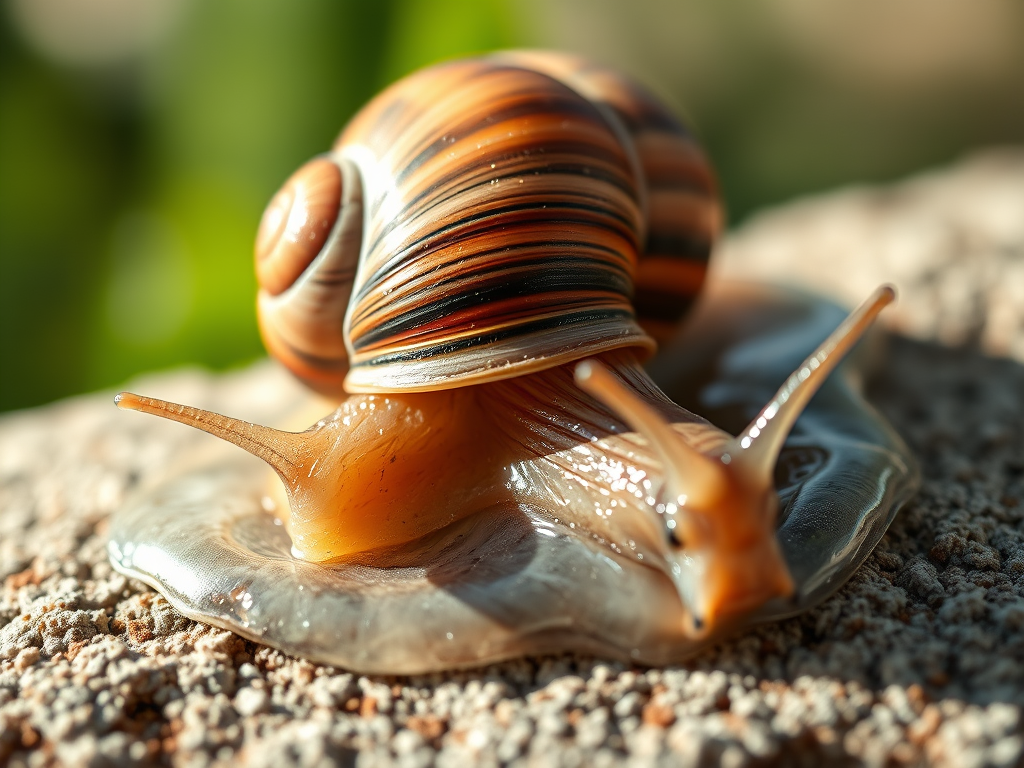
Snail mucin, also known as snail secretion filtrate, is gaining rapid traction as a high-value bioactive ingredient in the global cosmetics and personal care industry. Increasingly used by skincare brands and formulators for hydration, skin barrier repair, and visible skin regeneration, snail mucin is emerging as a differentiated ingredient for modern cosmetic formulations. This article provides a technical and commercial evaluation of snail mucin, covering its biological composition, mechanisms of action, scientific evidence, safety and regulatory considerations, sourcing and supplier quality, and formulation best practices. It is written to support cosmetic companies, ingredient buyers, and R&D teams in assessing the suitability of snail mucin for product development, innovation pipelines, and claim substantiation.
Download actionable insights
A concise, one-page guide for skincare and cosmetic teams exploring snail mucin, including formulation ranges, sourcing checks, and claim guidance.
[Download PDF]
What snail mucin is
Snail mucin, often labeled in INCI lists as Snail Secretion Filtrate (SSF), is the mucus that snails naturally produce. It is overwhelmingly water by weight but contains a biochemical matrix composed of:
- Glycoprotein mucins and proteoglycans
- Glycosaminoglycans such as hyaluronic acid and other oligosaccharides
- Small-molecule components including allantoin, glycolic acid, and low levels of collagen and elastin fragments
- Antimicrobial peptides, enzymes, and trace minerals that can support skin health
Composition varies by snail species, collection method, and downstream filtration and concentration steps. This variability matters because biological activity correlates with the relative proportions of glycoproteins, GAGs, and small bioactives.
Mechanisms of Action
Snail mucin produces effects through multiple, partly overlapping mechanisms:
- Hydration and moisture retention. Glycosaminoglycans and mucins act as humectants and form a hydrated matrix on the skin surface, improving water retention and promoting a plumping effect.
- Stimulation of fibroblasts and matrix synthesis. Peptides and growth-factor like components in the mucus are associated with increased fibroblast proliferation and collagen deposition in vitro and in animal models. This supports the ingredient’s use for surface-level repair.
- Anti-inflammatory and protective actions. Allantoin and other small molecules reduce local irritation and inflammatory signalling, while antimicrobial peptides help control opportunistic pathogens during barrier recovery.
- Wound-healing support. The combined effects above accelerate re-epithelialization, angiogenesis, and matrix remodelling in wound models, which explains many of the published wound-care outcomes.
These mechanisms are complementary, which is why snail mucin commonly shows multi-dimensional benefits in barrier, texture, and healing endpoints.
Evidence Summary
The literature includes in vitro mechanistic work, controlled animal models, and human topical studies. Key, high-value findings are:
- Photoaging and cosmetic improvement. Randomized, split-face human trials of formulations containing snail secretion filtrate reported measurable improvements in periocular rhytides and overall facial texture after daily use over 8 to 12 weeks. These studies show tolerability and cosmetic efficacy for fine-line and texture endpoints.
- Wound healing in preclinical models. Topical SSF accelerated wound closure and improved histological markers of repair in excisional wound models in mice, consistent with pro-regenerative and anti-inflammatory activity.
Clinical evidence for topical consumer products is positive but variable. Expect stronger claims for surface-level outcomes such as hydration, texture, and barrier recovery than for deep structural remodelling.
Sourcing, manufacturing, and ethical considerations
- Species and collection. Common species used include Helix aspersa and related gastropods. Collection methods range from gentle mechanical stimulation to proprietary farming methods. Ask suppliers for method descriptions to confirm humane practices and repeatability.
- Filtration and standardization. Filtrate processing, molecular-weight fractionation, and concentration determine the final profile of glycoproteins and small actives. Suppliers who provide certificate of analysis and batch-level profiles are preferable.
- Microbial and contaminant control. Because SSF is biologically derived, require microbial limits, endotoxin testing where relevant, and clear handling recommendations from the supplier.
- Ethical and marketing positioning. Animal-derived ingredients can prompt consumer concern. If brand positioning requires non-animal inputs, consider sourcing statements or exploring emergent biomimetic or synthetic mucin analogs discussed in the literature.
Safety and tolerability
Published trials and post-market experience report good tolerability for topical SSF products in general populations. Common adverse events are mild and include transient irritation in sensitive individuals. Patch testing during product development is recommended. Ensure supplier documentation on endotoxin and protein contaminants is provided to reduce immunogenic risk.
Formulation and claim guidance for product teams
- Typical use levels. Commercial formulations vary widely by concentration and processing. Start development testing with the supplier-recommended range and confirm functional endpoints with finished-formulation assays. For hydration and texture claims, many consumer products use low to moderate percentages of filtrate, often formulated with humectants such as glycerin or hyaluronic acid analogs.
- Compatibility. SSF integrates into emulsions, gels, and serums. Because it is water-based and protein-rich, validate preservative compatibility and pH stability early in development.
- Claim framing. Use conservative, evidence-aligned language for cosmetics, for example:
- Improves skin hydration and surface texture after regular use
- Helps soothe and calm irritated skin
- Supports visible recovery of the skin barrier after mild damage
- Avoid implying clinical wound treatment unless you pursue a medical or device regulatory track supported by clinical trials.
- Clinical validation. For consumer-facing claims, a randomized, vehicle-controlled study of 30 to 60 participants measuring hydration, TEWL, validated clinical scoring, and standardized photography will substantiate typical product claims.
Limitations
- Batch variability can drive inconsistent performance if supplier controls are weak. Demand COAs and standardized assays.
- While in vivo animal models are supportive, human topical RCTs are fewer and varied in endpoints. Be conservative when extending preclinical findings to broad clinical claims.
- Consumer perception of animal-derived ingredients can be polarizing. Plan messaging and alternatives accordingly.
References
- McDermott M, Cerullo AR, Parziale J, et al. Advancing discovery of snail mucins function and application. Frontiers in Bioengineering and Biotechnology. 2021.
- Fabi SG, Cohen JL, Peterson JD, Kiripolsky MG, Goldman MP. The effects of filtrate of the secretion of the Cryptomphalus aspersa on photoaged skin. Journal of Drugs in Dermatology. 2013;12(4):453-457.
- Gugliandolo E, Macrì F, Fusco R, et al. The protective effect of snail secretion filtrate in an experimental model of excisional wounds in mice. Veterinary Sciences. 2021;8(8):167.
- Rashad M, Sampò S, Cataldi A, Zara S. From nature to nurture: the science and applications of snail slime in health and beauty. Journal of Cosmetic Dermatology. 2025;24(2):e70002.
 Aryan Kenia
Leave a comment